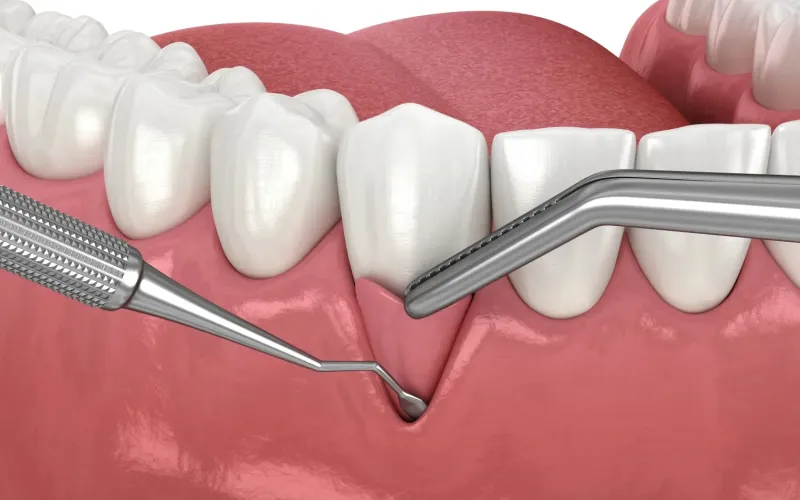
Periodontal surgery: restoring your gums is possible
Periodontal surgery is key to treating advanced gum disease. Find out when it is recommended and how it can help you restore your oral health.
Speciality
How to treat tooth decay and look after your oral health
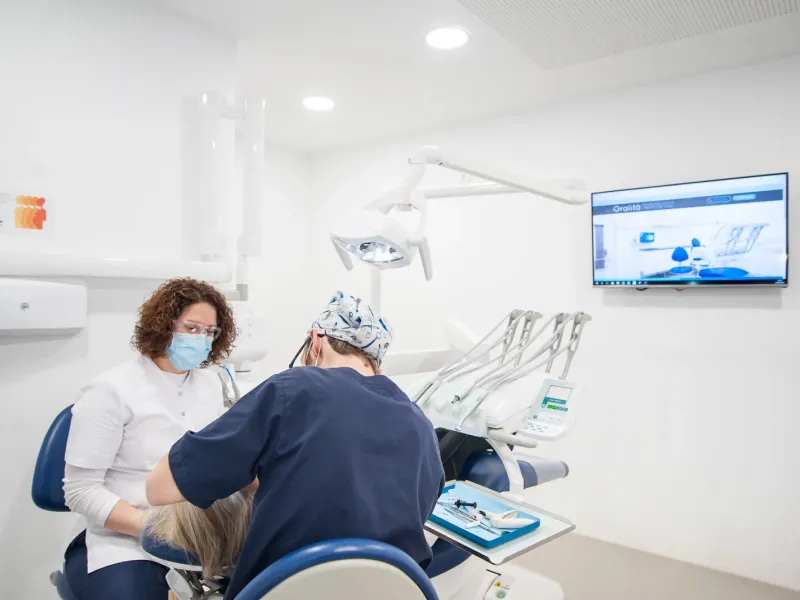
Has it been a while since you last went to the dentist? Do you think you might have a cavity? Are you experiencing discomfort and don’t know why?... Don’t worry: through general dentistry examinations we can resolve the primary problems that arise in the mouth. At Oralitá we offer a free first appointment, in which the dentist can carry out a detailed analysis of your mouth using a state-of-the-art digital X-ray, which reveals the condition of your teeth and mouth in just a few seconds. From there, the dentist will make a diagnosis and explain your personalised treatment plan, if one is needed. The visit ends with a no-obligation quote, which you can think over at home in complete peace and decide whether you are comfortable with what is being offered.
In general, the condition we diagnose most often is tooth decay, and the ways of treating it vary depending on the size of the cavity. To put it simply, tooth decay is a process of demineralisation of the tooth tissue which, if not treated in time, can lead to the loss of the tooth. But don’t be alarmed! To stop that from happening, at Oralitá we recommend a prevention protocol: in other words, once a year we should all see our dear dentist for a check-up (tests and new X-rays) to keep cavities from getting worse. (If you feel you already have one) the appropriate and best-known treatment is a filling (or restoration). This involves removing the affected surface part and replacing it with latest-generation resins, which usually solve the problem permanently. This technique is minimally invasive and restores health to a tooth damaged by surface decay.
On the other hand, if the tooth “hurts”, it is because the decay has reached the part of the tooth where the nerves and blood vessels are: the pulp. The treatment for this case is root canal treatment, whose aim is to remove this tissue to eliminate the deeper infection. As a result, the tooth is left practically “lifeless” and must be rebuilt (almost entirely) to its natural shape. (This treatment can also resolve major tooth fractures)
Clearly, good oral hygiene goes a long way towards stopping tooth decay from spreading, which is why at Oralitá we offer a professional dental cleaning that assesses each patient’s individual needs. It is essential to remove the build-up of tartar and dental plaque, because however regularly we brush, there are areas that only the special hygiene instruments we have at the dental clinic can reach. These instruments work with ultrasound and make it possible to clean the teeth thoroughly, especially the spaces between them, cleaning the area hidden beneath the gums. We should have a deep dental cleaning at least once a year, as this helps prevent bigger problems (and infections in the mouth). It is also the key to good oral health and healthy teeth.

Last updated:
Blog
Periodontal surgery is key to treating advanced gum disease. Find out when it is recommended and how it can help you restore your oral health.
Receiving different diagnoses can cause uncertainty and confusion. Am I being lied to? Who should I believe? Which diagnosis is the right one? Find out here!
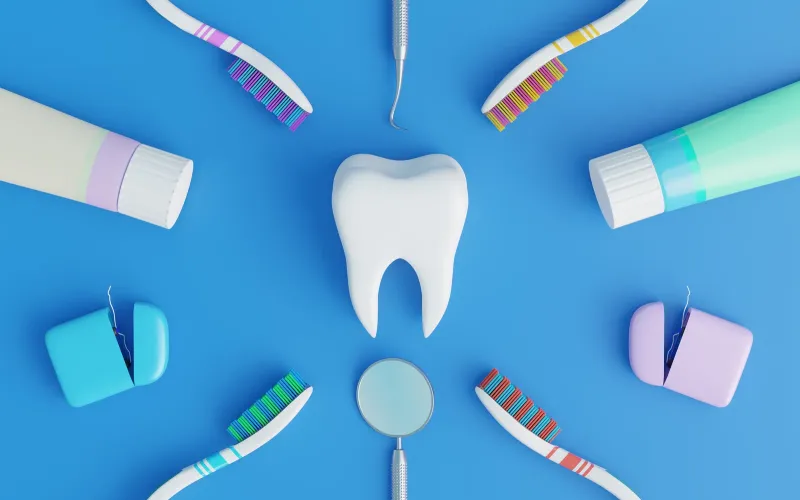
When should you go to the dentist? How should I brush my teeth? We answer these and other questions about your oral health.
Specialities
Implants guaranteed for life.
View treatmentInvisalign, the most innovative system.
View treatmentTreating early means treating less.
View treatmentSmile again.
View treatmentSmile design, veneers and teeth whitening
View treatmentFirst visit
We listen to you, check your mouth with a digital X-ray at no cost, and suggest a clear plan with a quote.