What is tooth enamel loss or wear? Causes and solutions
Teeth can suffer progressive wear of their enamel and, as a result, become more sensitive. Find out why this wear happens and how to prevent it.
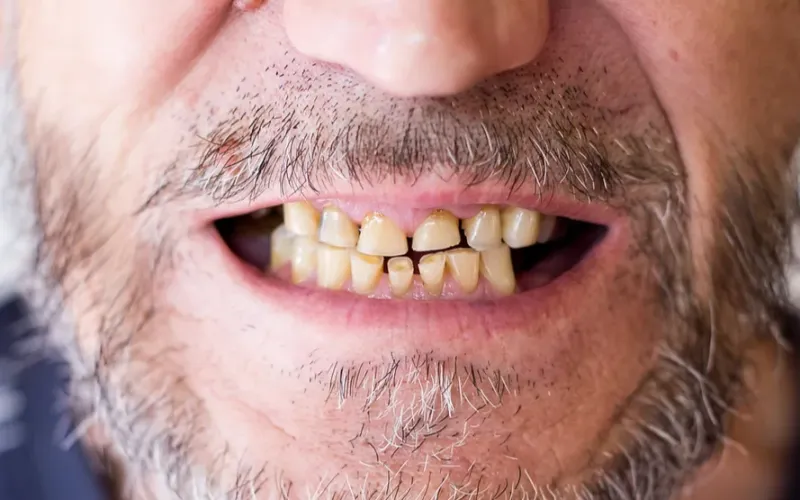
Over time, teeth can suffer progressive wear of the tooth enamel and, as a result, become more sensitive. This tooth wear is mainly characterised by a loss of thickness of the enamel. But what is tooth enamel?
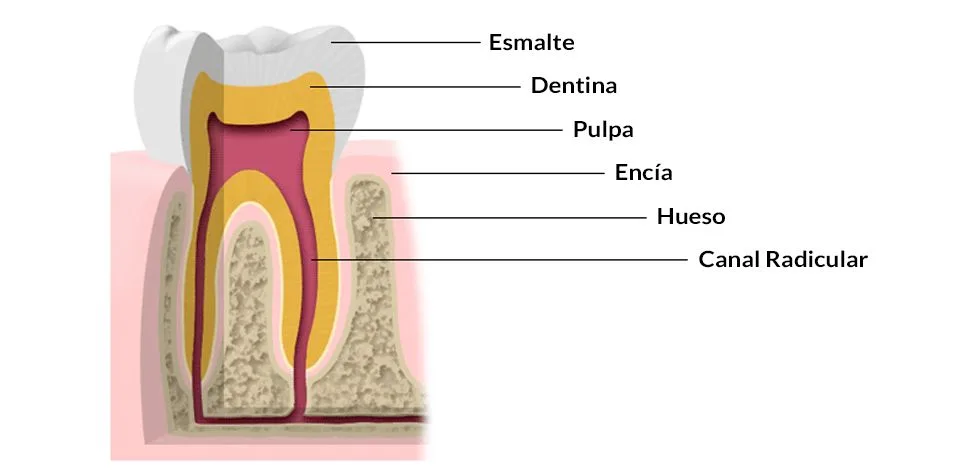
Tooth enamel is a hard layer, between 2 and 3 millimetres thick, that covers all the teeth and whose main function is to protect them from the outside.
Damaged enamel can mean the tooth loses this protection, which can lead to oral health problems.
How do I know if I have tooth wear?
- If you notice that the enamel on your teeth looks thinner and the colour of the dentine (the inner layer of the tooth) shows through more strongly. Worn teeth usually look more yellowish or darker.
- If you notice that your teeth rub against each other excessively and cracks appear in them.
What causes tooth wear?
Tooth wear can have different causes. Among the most notable are:
- Bruxism
- Attrition or occlusion problems
- Abrasion
- Eating disorders
- Incorrect brushing
Wear caused by bruxism
Bruxism is the unconscious contraction of the chewing muscles. It is considered a sleep-related disorder, as many people clench or grind their teeth while they sleep. This night-time movement happens automatically and creates frequent, rhythmic tension in the chewing muscles. It can happen frequently and is linked to many disorders, such as orofacial pain, neurological conditions, sleep apnoea and dental problems. One of its main effects is wear of the tooth enamel: flattened, fractured, broken or loose teeth.
Attrition or occlusion problems
One of the most common causes of tooth wear is misalignment of the teeth or the jawbones, known in dentistry as “attrition”. This can cause involuntary contact between the teeth, leading to excessive friction and, as a result, tooth wear.
Abrasion
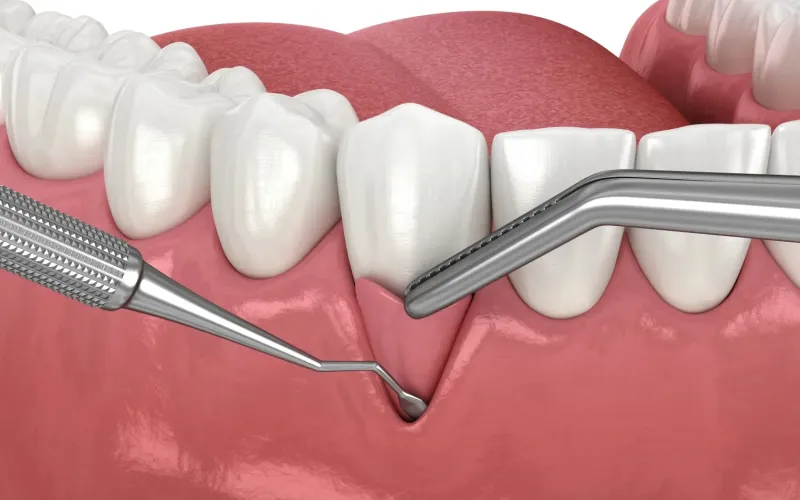
Dental abrasion is the progressive wear or loss of tooth enamel. It is usually due to poor brushing technique, excessive use of certain products, or conditions such as tooth decay or dental trauma. Abrasion can cause tooth hypersensitivity or receding gums.
Eating disorders
Our mouth can undergo many changes depending on our diet. For example, some foods and drinks contain large amounts of acid, such as fizzy drinks. This can lead to problems with the enamel of our teeth.
In addition, patients who have eating disorders or digestive system problems may be affected by tooth wear caused by stomach acids.
Incorrect brushing
Keeping your mouth clean is very important, as is establishing a routine and sticking to it consistently. It is crucial to use a soft-bristled toothbrush and to brush gently, so as not to wear down your teeth. You can learn more about oral hygiene in our article “10 facts about dental hygiene that will shock you”.
How can tooth wear be prevented or improved?
We recommend visiting your trusted dentist so that the cause of the tooth wear can be identified and treated properly. Some treatments may include:
- Orthodontic treatment
- Occlusal splint (night guard)
- Protecting the tooth with crowns