Pulpectomy: tooth decay in milk teeth
Pulpectomy is what is commonly called “children’s root canal treatment”. It is a treatment used to remove advanced decay in milk teeth.

What is a pulpectomy?
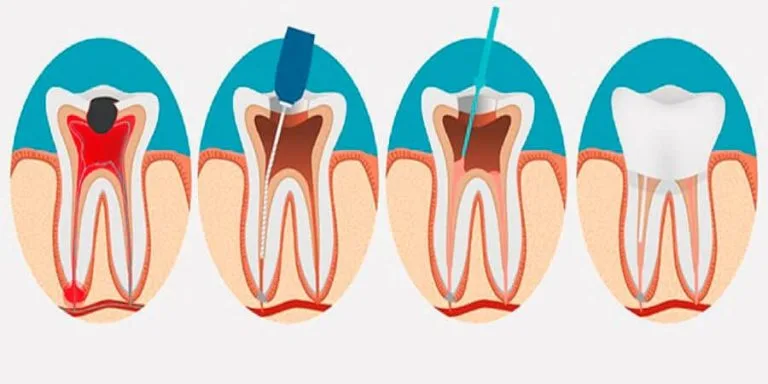
Pulpectomy is what is commonly called “children’s root canal treatment”. It is a treatment used to remove advanced decay in milk teeth. The name comes from the fact that the method involves partially emptying the dental pulp (that is, the nerve of the tooth), which may have been damaged by trauma, reversible inflammation or deep decay.
There are different symptoms that can reveal advanced tooth decay, but the most common are the following:
- Pain in the area or discomfort when chewing
- Bad breath or halitosis
- Stains or a change in the colour of the tooth (yellow, brown or black)
- A fractured, broken or chipped tooth
- Swollen gums
- Sensitivity in the tooth area (to cold or hot foods)
- Gumboil or dental abscess
What are the steps of a pulpectomy?
- A diagnosis is made: it is important to take an X-ray at the dental clinic to assess the extent of the damage to the pulp. The following steps are then carried out:
- Treatment: Local anaesthetic is applied and the tooth is isolated. Next, the decay is removed by emptying the inside of the tooth, where the damaged tissue is found, and the area is cleaned. Once the tooth has been emptied, the area must be filled and sealed. The canals are filled with resorbable materials so that they do not harm the permanent tooth. Finally, to fully restore the tooth, a crown is fitted, allowing the tooth to regain its full function.
- Follow-up: The dentist will carry out follow-up whenever necessary so that the treated area heals well.
What is the difference between a pulpotomy and a pulpectomy?
A pulpotomy involves removing only the damaged part of the pulp located in the pulp chamber, with the aim of keeping the root of the tooth intact. A pulpectomy, on the other hand, involves removing all of the pulp from the tooth. This may be due to a severe infection and when the pulp in the root is already dead.
If you enjoyed this blog post, we encourage you to click on the following articles: